About 530 km, south to north
Three fires: the route
The cities are linked by Italy’s high-speed line, so the whole route takes three and a half hours of train time. Here is what we look for in each one.
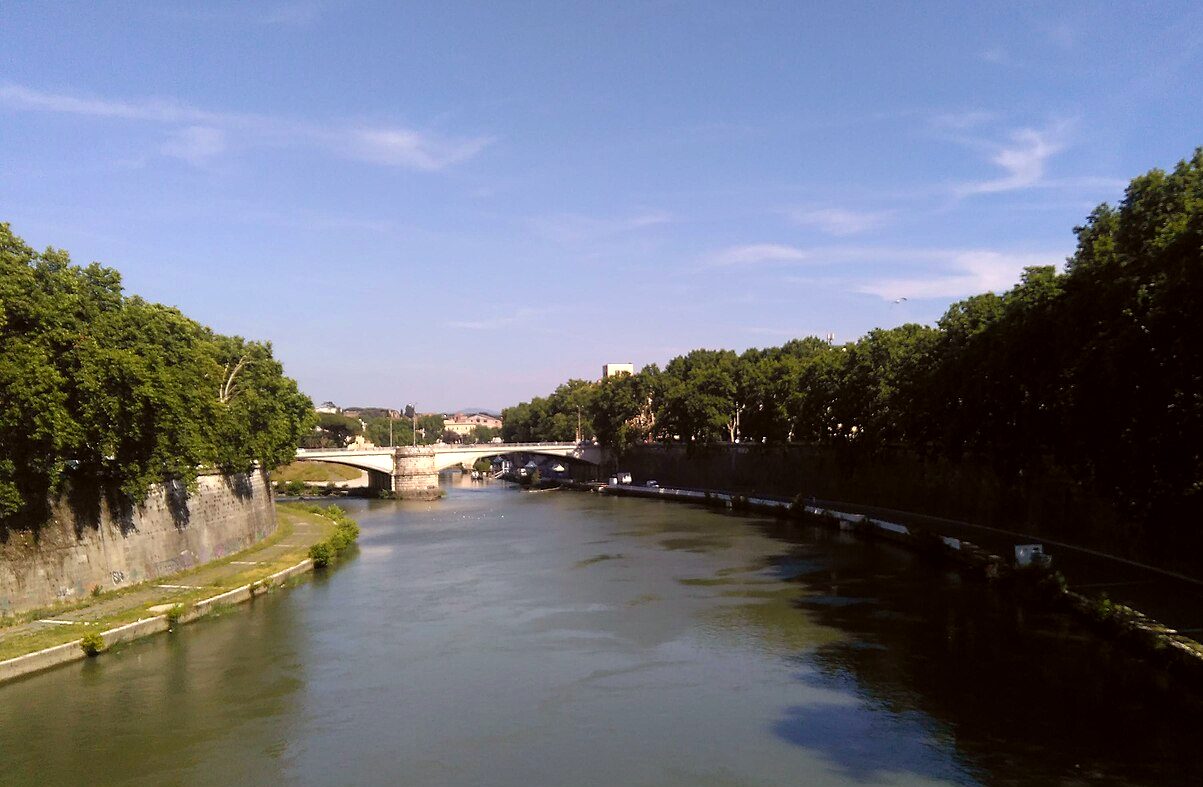
Rome
For centuries the city believed that if the flame in the Temple of Vesta went out, Rome would fall, and six priestesses took turns to keep it burning. The round temple still stands in the Forum. We begin there, then let the city warm up around us: the Palatine, the arena, the river walls in the evening when the travertine turns gold.
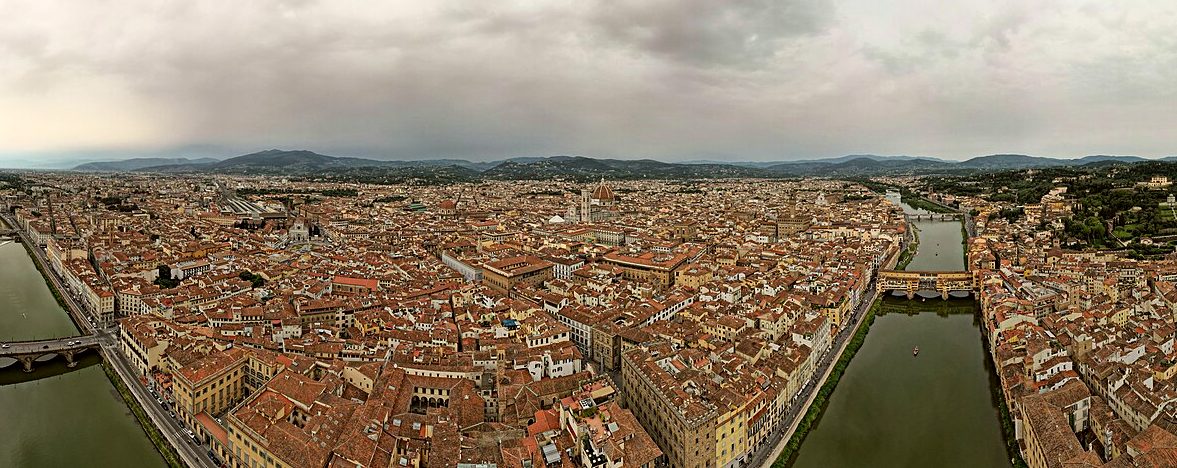

Florence
In 1593 the Medici moved the butchers off Ponte Vecchio and gave the bridge to the goldsmiths, who are still there. Florence was a city of furnaces and anvils long before it was a city of museums: bronze for the doors of the Baptistery, iron for the palace lanterns, brick fired by the million for the dome. We spend our time where that work still goes on, and visit the galleries with the people who make things in mind.
Venice
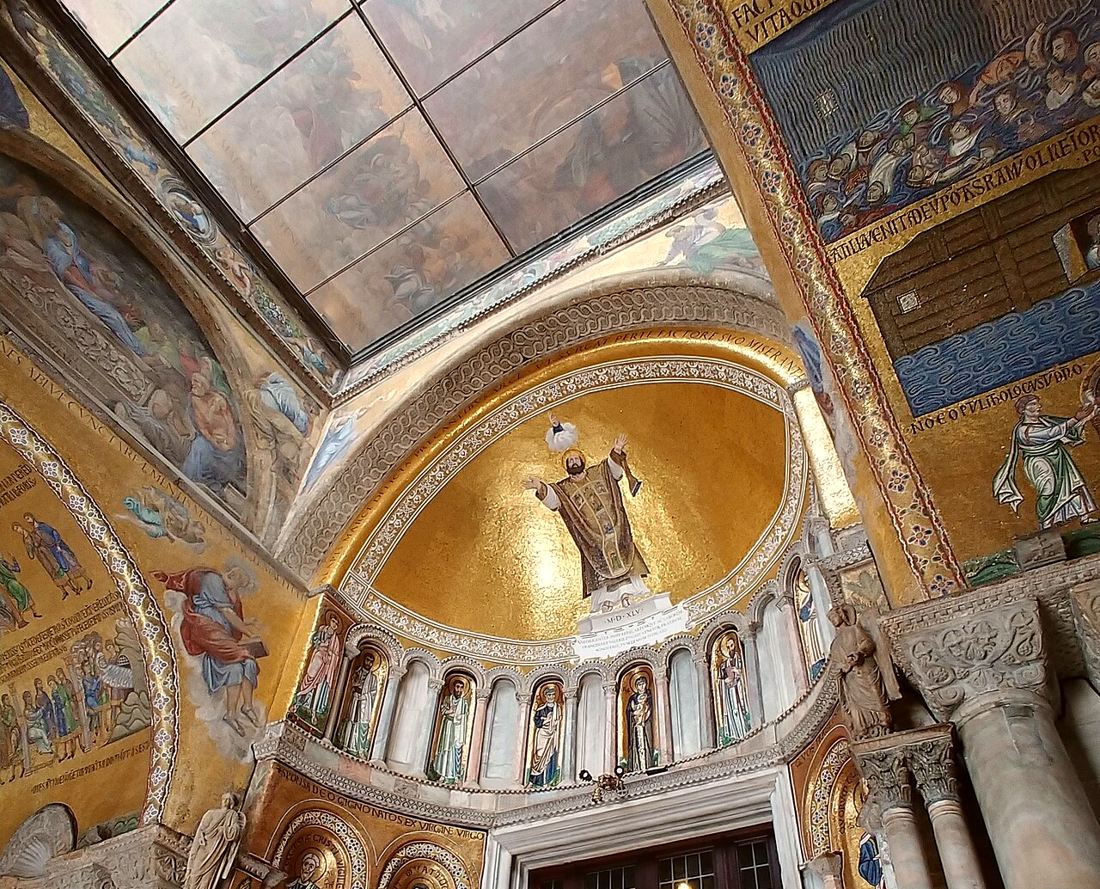
In 1291 the Republic sent all glassmakers to Murano, so that their furnaces could not set the city alight. The glass they made covered the domes of San Marco in gold mosaic, each tile a sliver of gold leaf fused between layers of glass. Venice was also the Arsenale, the largest workshop in medieval Europe, and the shipwrights’ houses around it. One of those houses is ours.
Venice: Glass and Lagoon, three days · Our quarter of Venice
When to go
We run departures from March to June and in September and October. July and August are hot in all three cities and crowded in two of them; November to February brings fog to the lagoon, which we love, and short days, which make a nine-day route feel rushed. Late April and early October are the best balance of light, warmth and room to breathe.
All play at Ember Ark happens in one room of Ember Ark Hotel in Venice and nowhere else. This website takes no bets, keeps no gaming accounts and handles no payments for play.